Improving Healthcare Interoperability with Accurate Provider Data
Real-World Solutions for Records Requests and Patient Referrals

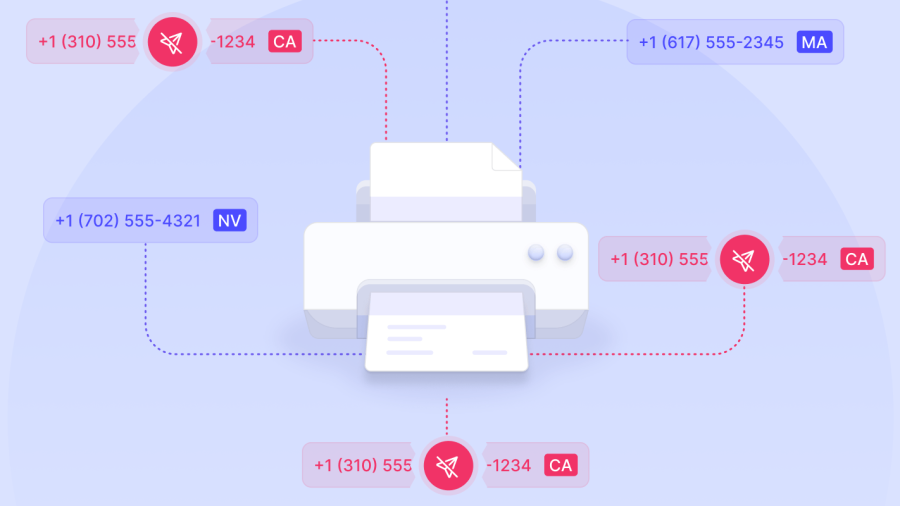
- 1 Interoperability failures often begin with inaccurate or fragmented provider and facility data.
- 2 Missing or incorrect provider identifiers, fax numbers, and TINs can delay referrals and records requests.
- 3 Operational workflows improve significantly when organizations consolidate disconnected provider data systems into a continuously validated platform.
- 4 Accurate provider intelligence supports faster care coordination, more reliable routing, and improved scalability across healthcare operations.
Improving Referrals and Records Requests
Healthcare interoperability depends on more than the ability to exchange electronic health information between systems. It also depends on the accuracy of the provider and facility data powering those workflows behind the scenes. When provider records are fragmented, outdated, or incomplete, operational delays quickly surface across referrals, records requests, and care coordination.
By partnering with Candor Health, Sana replaced disconnected provider data sources with a continuously validated provider intelligence platform, reducing referral turnaround time and improving the reliability of care navigation workflows at scale.

Why Provider Data Accuracy Remains a Core Interoperability Challenge
The Centers for Medicare and Medicaid Services (CMS) defines interoperability as “a secure, connected healthcare system that empowers patients and their providers to access and use electronic health information to make better informed and more efficient decisions.”
That vision depends heavily on accurate healthcare provider and facility data. Core operational details, including fax numbers, Tax Identification Numbers (TINs), provider affiliations, and facility routing information, are often fragmented across disconnected systems, outdated databases, and manually maintained workflows.
Despite advances in digital healthcare infrastructure, nearly 75% of medical data is still transmitted via fax, amounting to roughly 9 billion pages annually. Outdated or incorrect fax numbers, combined with incomplete provider and facility data, continue to create major operational challenges across referrals and medical records workflows.
When those records fail, interoperability breaks down long before information exchange standards become the issue.
Organizations handling medical records requests and patient referrals frequently rely on manual, error-prone processes to identify providers and route information correctly. Inaccurate provider data can create delays in records processing, referral completion, and patient access workflows, particularly at scale.
The Operational Impact of Fragmented Provider Data
Many interoperability conversations focus primarily on APIs, standards, and electronic exchange frameworks. In practice, however, operational bottlenecks often originate much earlier in the workflow.
Incorrect or outdated facility fax numbers, invalid TIN data, duplicate provider records, and inconsistent provider affiliations frequently create downstream friction across referrals, medical records fulfillment, care coordination, patient navigation, and administrative operations. Many organizations still rely on manually maintained provider directories that drift over time, introducing operational delays that compound as workflows scale.
In some cases, organizations spend hours every week manually verifying provider contact information, re-checking facility details, and re-sending failed faxes simply to keep workflows moving. Those operational inefficiencies make it difficult to scale referrals and records fulfillment reliably.
Even when healthcare organizations successfully exchange information electronically, inaccurate provider intelligence can still prevent workflows from functioning reliably.
Replacing Disconnected Systems with Continuously Validated Provider Intelligence
Sana partnered with Candor Health to improve operational efficiency across records requests and referral workflows.
Prior to implementation, Sana relied on disconnected provider data sources that required manual verification and introduced delays into operational processes. The organization faced significant referral inefficiencies tied to disconnected fax numbers and inconsistent provider information, limiting its ability to automate workflows and manage growing patient volumes.
Candor Health consolidated those fragmented data systems into a single provider intelligence platform with continuously validated provider and facility information.
The implementation improved Sana’s ability to identify providers and facilities more accurately, reduce manual verification work, accelerate referral turnaround times, and improve routing reliability across care navigation workflows.
As a result, Sana reduced referral turnaround time by 50 percent while improving the consistency and reliability of care coordination operations. Candor Health also helped identify missing fax data across a substantial portion of the organization’s provider records, improving fax success rates and supporting significantly higher referral throughput.
Interoperability Depends on More Than Data Exchange
Healthcare interoperability is often framed as a technical integration problem. In reality, operational data quality remains one of the largest barriers to reliable information exchange.
Healthcare organizations cannot fully solve interoperability challenges if the underlying provider data powering those workflows remains fragmented, inconsistent, or outdated.
Reliable interoperability depends not only on standardized exchange frameworks, but also on continuously maintained provider intelligence, operationally reliable routing infrastructure, and scalable validation workflows that keep provider and facility records accurate over time.
Without those foundational elements, interoperability initiatives frequently struggle to deliver consistent operational outcomes.
Accurate Provider Data Is Still the Foundation
Accurate provider intelligence plays a foundational role in healthcare interoperability. As organizations continue modernizing care coordination and information exchange workflows, provider data quality remains a critical operational dependency rather than a secondary infrastructure concern.
Standardize provider roster ingestion, reduce reconciliation overhead, and improve provider directory reliability with Candor Health.

More Posts
Provider Data Isn't a File. It's a Living Asset.

The Double-Edged Sword: How AI Is Reshaping Provider Data Accuracy
Accurate Provider Data, Now Native to AI Agents: Introducing Candor Health's MCP