The Overlooked Bottleneck of Provider Data Accuracy
Most provider data accuracy initiatives focus on validation. But for many health plans, the real operational bottleneck begins much earlier — before validation workflows ever start.
By the time inaccurate provider data surfaces in provider directories, referral systems, or claims workflows, inconsistencies may already exist across multiple downstream systems. Duplicate provider records, missing NPIs, outdated affiliations, and taxonomy mismatches often originate during provider roster ingestion itself.
As provider networks become more fragmented and provider data volumes continue to grow, health plans are increasingly realizing that provider data quality is not just a validation challenge. It is an ingestion challenge.

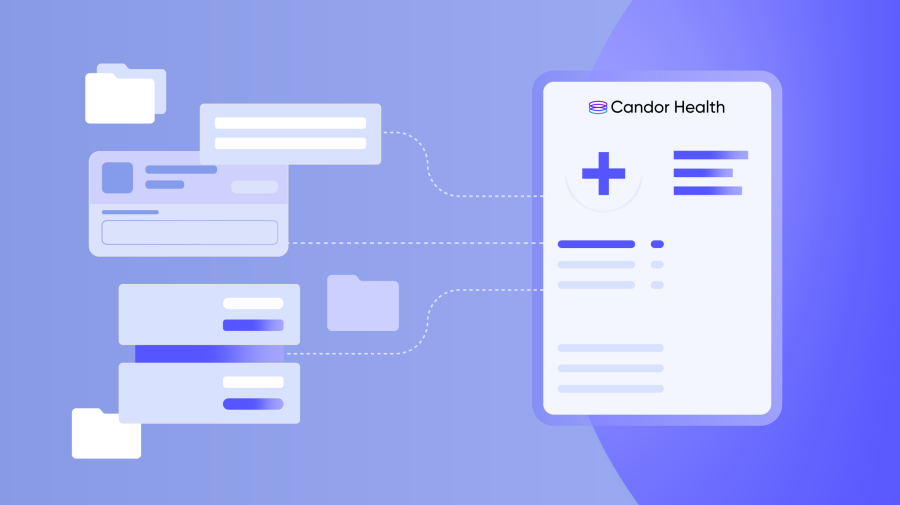
- 1 Provider data inaccuracies often begin during provider roster ingestion rather than downstream validation.
- 2 Inconsistent provider roster formats create duplicate records, taxonomy conflicts, and directory inaccuracies.
- 3 Standardized ingestion workflows improve provider data consistency across operational systems.
- 4 Modern provider data management increasingly relies on proactive discrepancy detection and automated normalization.
- 5 Improving ingestion quality early reduces downstream reconciliation overhead later.
What Is Provider Data Accuracy?
Provider data accuracy is often discussed as a compliance issue, but its operational impact is much broader. Inconsistent provider records can disrupt everything from member search experiences to referral workflows and claims routing.
Accurate provider data typically includes:
National Provider Identifiers (NPIs)
Specialty and taxonomy information
Practice locations
Credentialing status
Network participation details
Provider affiliations
Contact information
When provider records become inconsistent across systems, the downstream impact extends beyond compliance. Inaccurate provider data can affect member access, referral routing, claims processing, provider operations, and overall network performance.
For many organizations, provider data accuracy is no longer viewed as a static data maintenance exercise. It has become an ongoing operational discipline.
Why Provider Data Accuracy Problems Often Begin at Ingestion
Many health plans invest heavily in provider data validation workflows. But validation alone cannot fully resolve inconsistencies introduced earlier in the provider data lifecycle.
Incoming provider roster files often arrive from multiple organizations using different formatting standards, naming conventions, update schedules, and data structures. Even small inconsistencies can create significant downstream operational friction once provider records spread across directories, claims systems, and internal workflows.
Validation teams frequently inherit problems they never had an opportunity to prevent.
In many organizations, provider operations teams still rely heavily on manual spreadsheet reconciliation processes to identify and correct these inconsistencies after ingestion occurs. But reconciliation becomes exponentially more difficult once inaccurate provider records propagate across multiple operational systems simultaneously.
Common Provider Roster Ingestion Problems:
Provider Data Issue | Downstream Impact |
|---|---|
Missing NPIs | Incomplete provider matching |
Duplicate provider records | Conflicting provider directory listings |
Inconsistent address formatting | Poor provider search accuracy |
Taxonomy mismatches | Improper specialty classification |
Outdated affiliations | Inaccurate network participation |
Manual spreadsheet workflows | Increased operational overhead |
What Is Provider Roster Ingestion?
Provider roster ingestion is the process of importing provider data from health systems, delegated groups, credentialing organizations, and provider networks into centralized provider data management systems.
Most provider roster ingestion workflows were never designed for the current complexity of provider ecosystems. Health plans often receive overlapping provider updates from multiple organizations simultaneously, each using different formatting conventions and update cycles.
Health plans commonly receive provider roster data through:
CSV files
Excel spreadsheets
APIs
Flat files
Third-party provider networks
Credentialing systems
Delegated provider submissions
Because each source structures provider information differently, ingestion workflows often require normalization before provider records can be reliably reconciled across systems.
Without standardized ingestion workflows, provider data inconsistencies propagate downstream into:
Provider directories
Referral workflows
Claims systems
Network management platforms
Member-facing search tools
The Operational Cost of Poor Provider Data Accuracy
Provider data inaccuracies create operational friction across nearly every aspect of healthcare network management.
Even relatively minor inconsistencies can create large downstream consequences when provider records exist across multiple systems simultaneously. A single outdated address or missing NPI can affect provider directory accuracy, referral workflows, claims routing, and member access experiences at the same time.
Common operational impacts include:
Inaccurate provider directories
Failed referral routing
Delayed claims processing
Increased call center volume
Provider abrasion
Member dissatisfaction
Extensive manual reconciliation work
As provider networks continue evolving more dynamically, reactive reconciliation models become increasingly difficult to scale effectively. By the time discrepancies appear in member-facing systems, the original source data may already have changed again.
Why Traditional Provider Data Validation Is No Longer Enough
For years, many organizations approached provider data quality primarily as a downstream reconciliation problem. Validation teams were expected to identify and correct inaccuracies after provider records entered operational systems.
But provider ecosystems have become significantly more dynamic. Provider affiliations change constantly. Locations shift. Taxonomy mappings evolve. Delegated groups submit updates on different schedules and in different formats.
As a result, traditional validation workflows increasingly operate reactively rather than proactively.
Modern provider data management strategies are shifting toward identifying inconsistencies earlier in the ingestion lifecycle — before inaccurate provider records spread downstream into multiple operational systems.
This shift allows provider operations teams to move from reactive cleanup toward more proactive provider data governance.
Modern Provider Data Management Requires Standardized Ingestion
Health plans modernizing provider data operations increasingly focus on several foundational capabilities.
Standardized Provider Roster Intake
Without standardization at intake, downstream provider reconciliation becomes increasingly difficult to scale. Many provider operations teams still spend significant time manually restructuring provider files before meaningful validation can even begin.
Automated Provider Matching
Provider records should automatically reconcile against:
NPIs
Existing provider entities
Practice locations
Taxonomy codes
Organizational hierarchies
Reducing manual provider matching helps improve consistency while lowering operational overhead.
Real-Time Discrepancy Detection
Modern ingestion workflows can identify:
Missing fields
Duplicate providers
Conflicting affiliations
Formatting inconsistencies
Invalid provider data before downstream propagation occurs
Earlier discrepancy detection reduces the operational cost of reconciliation later.
Workflow-Based Reconciliation
Instead of relying exclusively on spreadsheets, provider operations teams increasingly benefit from structured discrepancy management workflows that prioritize actionable remediation and operational visibility.
Traditional Provider Data Workflows vs Modern Ingestion Workflows
Traditional Workflow | Modern Provider Data Workflow |
|---|---|
Manual spreadsheet cleanup | Automated normalization |
Manual spreadsheet cleanup | Proactive ingestion monitoring |
Siloed provider systems | Centralized provider data management |
Periodic reconciliation cycles | Continuous discrepancy detection |
Manual provider matching | Automated entity resolution |
Static provider directory updates | Dynamic provider synchronization |
As provider data ecosystems become more fragmented and interconnected, ingestion quality increasingly shapes downstream provider data reliability.
How Candor Health Approaches Provider Roster Ingestion
Many organizations still rely on fragmented provider intake processes that were never designed for continuous provider data synchronization across modern healthcare networks. Candor Health helps health plans improve provider data accuracy by standardizing provider roster ingestion workflows and automating provider data normalization.
The platform supports:
Multi-format provider roster ingestion
Provider matching and reconciliation
NPI normalization
Taxonomy mapping
Discrepancy detection
Provider change tracking workflows
By identifying inconsistencies earlier in the ingestion lifecycle, provider operations teams can reduce downstream reconciliation burdens while improving provider directory consistency over time.
What Changes When Provider Ingestion Improves?
The biggest shift is often operational. Teams spend less time chasing inconsistencies across disconnected systems and more time managing provider network quality proactively.
Organizations that modernize provider roster ingestion workflows often experience:\
Reduced manual reconciliation work
Faster provider onboarding
Improved provider directory consistency
Fewer duplicate provider records
More reliable claims routing
Greater operational visibility into provider network changes
Most importantly, provider data accuracy becomes easier to maintain proactively rather than reactively.
Instead of correcting provider data issues after they spread downstream, organizations can prevent many inconsistencies from entering operational systems in the first place.
Improving Provider Data Accuracy Starts Earlier Than Most Organizations Think
Provider data accuracy is no longer just a validation problem. As provider ecosystems become more fragmented and interconnected, ingestion quality is becoming a foundational determinant of downstream provider data reliability.
The earlier organizations identify inconsistencies in the provider data lifecycle, the easier those inconsistencies become to contain before they spread operationally.
Standardize provider roster ingestion, reduce reconciliation overhead, and improve provider directory reliability with Candor Health.

More Posts
Finding the Right Doctor Is a Data Problem in Disguise
CMS Is Publishing Your Provider Directory: Publicly, Daily, and by Name

Provider Data Accuracy Without Compromising Network Adequacy